Leeds United’s greatest era was built by formidable personalities.
Don Revie created the team. Billy Bremner drove it. Bobby Collins established its standards. Brian Clough challenged everything it represented, and Jimmy Armfield later carried the club to the brink of becoming European champions.
Running through those extraordinary years was another Yorkshire football story: Stylo Matchmakers.
From Bobby Collins in 1966 to the Leeds junior teams of the 1970s, Stylo boots became part of the visual identity of a club experiencing the most successful period in its history.
This was not a heritage connection manufactured decades later.
The players wore the boots. The managers supported the relationship. The photographs remain.
Don Revie, Bobby Collins and the Beginning
The relationship between Leeds United and Stylo Matchmakers can be traced to Bobby Collins, one of the most important players in Don Revie’s transformation of the club.
Collins joined Leeds from Everton in 1962. Although only 5ft 3in tall, the Scotland international brought experience, authority and an uncompromising competitive spirit to a young team still attempting to establish itself.
Revie later described signing Collins as the turning point in Leeds United’s development.
Collins became captain, led the club back into the First Division and was named the Football Writers’ Association Footballer of the Year in 1965. He helped establish the mentality that would define Revie’s Leeds: organised, fiercely competitive and almost impossible to intimidate.
In 1966, Collins became one of the first major Leeds United players to wear Stylo Matchmakers.
A remarkable surviving photograph captures Revie personally taking promotional pictures of Collins in his Stylo boots. It shows how directly managers, players and brands once worked together—long before sponsorship campaigns required production companies, social-media strategies and layers of corporate approval.
Revie was not watching from a hospitality box.
He was behind the camera.
When Bobby Wore Them, Others Followed
Bobby Collins carried enormous influence inside the Leeds dressing room.
When a player of his standing trusted a football boot, others paid attention. Stylo’s presence expanded as Leeds developed from ambitious challengers into one of the dominant teams in English football.
The partnership was a natural fit.
Leeds United represented discipline, individuality and northern defiance. Stylo Matchmakers was an independent British football brand prepared to compete against much larger international manufacturers.
Neither needed permission to be taken seriously.
Both earned their reputations through performance.
The Revie Glory Years
Don Revie’s Leeds became one of the outstanding club teams of its generation.
Between 1968 and 1974, Leeds won:
- Two First Division championships
- The FA Cup
- The League Cup
- Two Inter-Cities Fairs Cups
- The Charity Shield
They also finished as league runners-up five times under Revie and reached further domestic and European finals.
Stylo Matchmakers boots were visible throughout this defining period, worn as Leeds established itself at the summit of English football.
The club’s success was not built around one superstar. Revie created a complete team in which every player understood his responsibility. Its strength came from collective standards, tactical preparation and a relentless refusal to accept defeat.
That same period created some of British football’s most enduring images: white shirts, packed terraces, muddy pitches and unmistakably black leather boots.
Stylo was part of that world.
A Relationship That Survived Change
Revie left Leeds in 1974 to become England manager.
Brian Clough replaced him in one of the most infamous appointments in football history. His reign lasted only 44 days, but Stylo Matchmakers remained connected with Leeds during the turbulent transition.
The relationship continued under Jimmy Armfield, who stabilised the club and led Leeds to the 1975 European Cup Final against Bayern Munich.
Armfield inherited a team approaching the end of its great cycle, yet he managed it with intelligence and dignity. Leeds overcame Barcelona in the semi-final before travelling to Paris for a final that remains one of the most controversial nights in the club’s history.
Although managers changed and the Revie side gradually broke apart, Stylo’s presence around Leeds endured.
It had become more than an arrangement with one player or manager. It was part of the club’s football culture.
Bobby Collins Returns
The story eventually came full circle.
Bobby Collins returned to Leeds as a junior coach, working with the next generation of players. The Stylo relationship followed him back into the club, with Leeds United junior teams wearing the brand’s boots.
There was something fitting about it.
The player who helped introduce Stylo to Revie’s dressing room was now passing his standards—and the boots—down to young footballers hoping to follow the same path.
It connected the beginning of the great Leeds side with the club’s future.
Football Before Influencers
The original partnership between Leeds United and Stylo Matchmakers belonged to a very different sporting culture.
Commercial agreements existed, and leading players were paid to endorse products. Stylo’s own history cannot be separated from those relationships.
But the connection still began with football.
Players wore boots because they trusted them. Brands built relationships directly with dressing rooms. Supporters could see the product being used every Saturday rather than promoted through a carefully scripted social-media post.
Modern football marketing often reverses that process.
Today, enormous endorsement contracts can create demand before a product has earned its reputation. Influence is purchased, launches are manufactured and young players are encouraged to believe the right logo will improve their status.
Stylo Matchmakers returned in 2017 with a different approach.
The revived brand celebrates the partnerships that created its history, but it does not pay current footballers to manufacture belief. The product must stand on its own merit.
That makes growth slower.
It also makes every genuine connection more meaningful.
Leeds, Stylo and Northern Identity
Leeds United supporters have never needed to be told what to think.
The club’s identity was built through loyalty, independence and the feeling that Leeds stood apart from the football establishment.
Stylo Matchmakers shares that challenger mentality.
It is not the biggest sportswear company. It does not possess the advertising budgets of the multinational brands dominating today’s game. It cannot purchase visibility on the same scale.
But it has something those companies cannot recreate: a genuine place in the history of Leeds United’s greatest team.
The association with Revie, Collins, Clough and Armfield is not borrowed nostalgia. It is part of the documented story of British football.
The Photographs Tell the Story
Look closely at the surviving pictures.
Don Revie is taking the photograph.
Bobby Collins is wearing the boots.
The Stylo Matchmakers name is there.
These images provide more than marketing material. They preserve a period when a great British football club and an ambitious British brand were rising together.
Leeds United went on to win championships, lift cups and conquer some of Europe’s finest teams.
Stylo Matchmakers went on to be worn by Pelé, George Best, Kevin Keegan, Billy Bremner, Trevor Francis and generations of professional footballers.
Their stories crossed during one of the most important periods either would experience.
A British Football Original
The modern Stylo Matchmakers does not claim responsibility for the achievements of Don Revie’s Leeds United.
The players won the matches.
The manager built the team.
The supporters created the atmosphere and carried the club from one generation to the next.
Stylo’s place in that history is simpler—and authentic.
It was on their feet.
From Bobby Collins and Don Revie in 1966 to the Leeds teams and junior players who followed, Stylo Matchmakers became part of an extraordinary football story.
The managers have gone.
The players became legends.
The photographs survived.
And the boots still matter.
Leeds United. Stylo Matchmakers. Football lived here.
1975-76
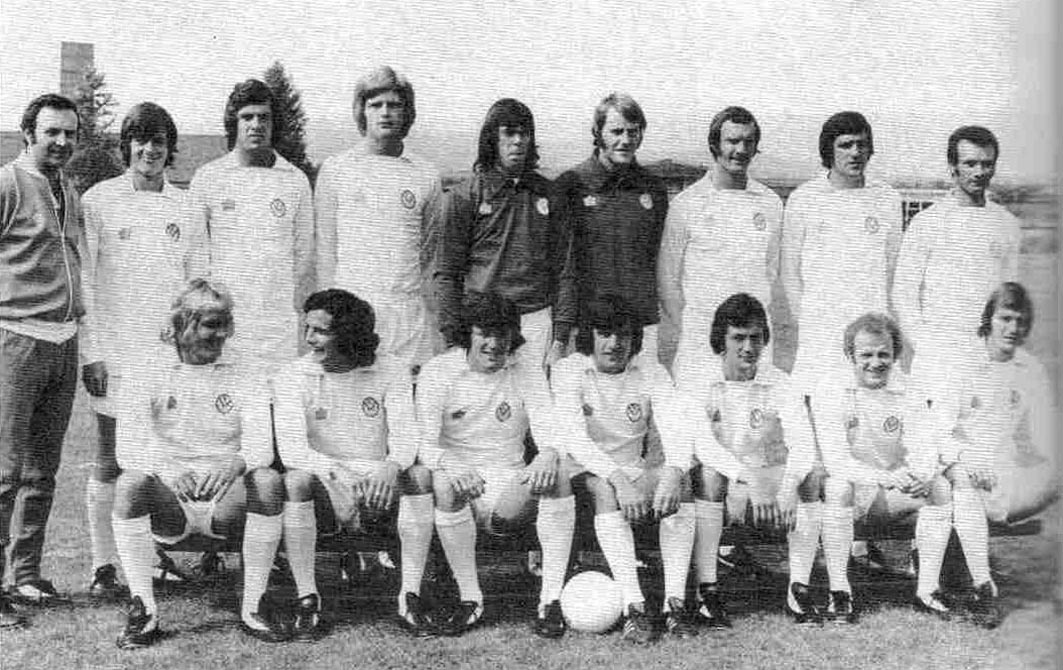
Back Row: Jimmy Armfield (Manager), Duncan McKenzie, Joe Jordan, Gordon McQueen, David Harvey, David Stewart, Paul Madeley, Norman Hunter, Paul Reaney.
Front Row: Terry Yorath, Frank Gray, Eddie Gray, Peter Lorimer, Trevor Cherry, Billy Bremner, Allan Clarke.
1975-76
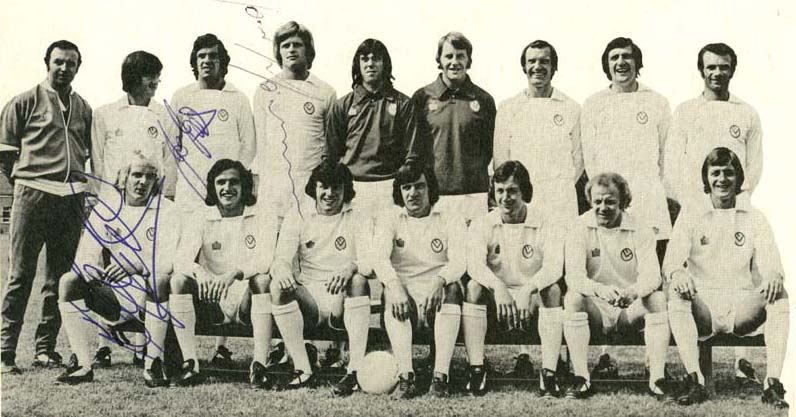
Back Row: Jimmy Armfield (Manager), Duncan McKenzie, Joe Jordan, Gordon McQueen, David Harvey, David Stewart, Paul Madeley, Norman Hunter, Paul Reaney.
Front Row: Terry Yorath, Frank Gray, Eddie Gray, Peter Lorimer, Trevor Cherry, Billy Bremner, Allan Clarke.
1975-76
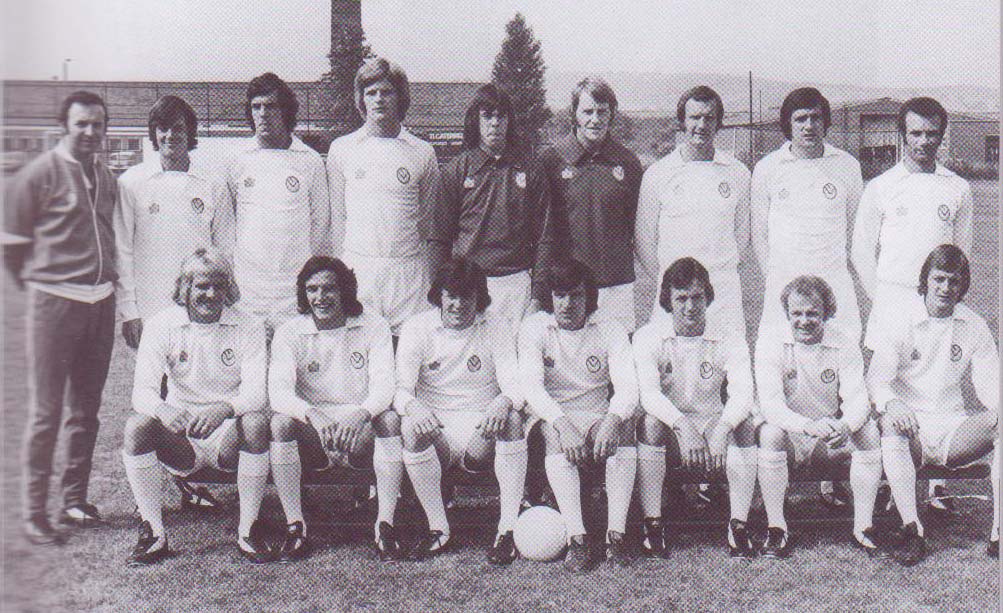
Back Row: Jimmy Armfield (Manager), Duncan McKenzie, Joe Jordan, Gordon McQueen, David Harvey, David Stewart, Paul Madeley, Norman Hunter, Paul Reaney.
Front Row: Terry Yorath, Frank Gray, Eddie Gray, Peter Lorimer, Trevor Cherry, Billy Bremner, Allan Clarke.
1975-76
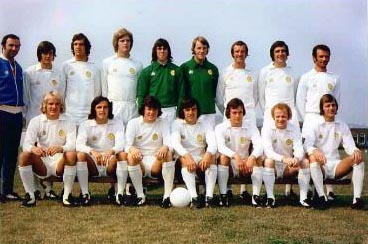
Back Row: Jimmy Armfield (Manager), Duncan McKenzie, Joe Jordan, Gordon McQueen, David Harvey, David Stewart, Paul Madeley, Norman Hunter, Paul Reaney.
Front Row: Terry Yorath, Frank Gray, Eddie Gray, Peter Lorimer, Trevor Cherry, Billy Bremner, Allan Clarke.
1975-76
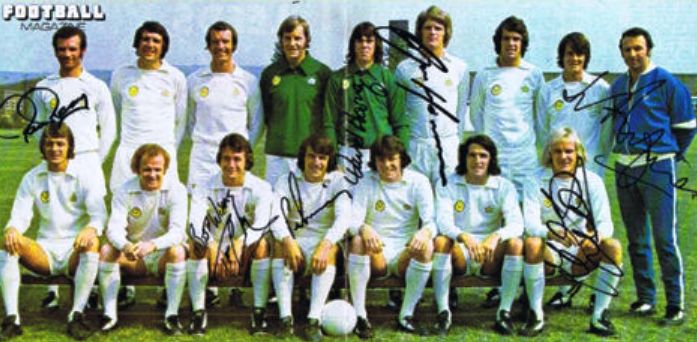
Back Row: Paul Reaney, Norman Hunter, Paul Madeley, David Stewart, David Harvey, Gordon McQueen, Joe Jordan, Duncan McKenzie, Jimmy Armfield (Manager).
Front Row: Allan Clarke, Billy Bremner, Trevor Cherry, Peter Lorimer, Eddie Gray, Frank Gray, Terry Yorath.
1975-76
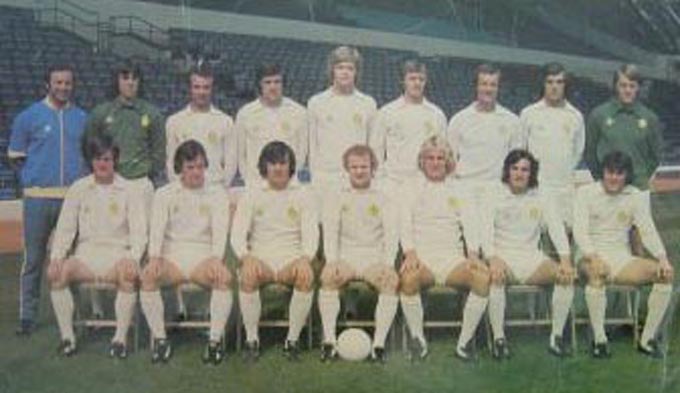
Back Row: Jimmy Armfield (Manager), David Harvey, Paul Reaney, Norman Hunter,Gordon McQueen, Allan Clarke, Paul Madeley, Joe Jordan, David Stewart.
Front Row: Duncan McKenzie, Trevor Cherry, Peter Lorimer, Billy Bremner, Terry Yorath, Frank Gray, Eddie Gray.
1975-76
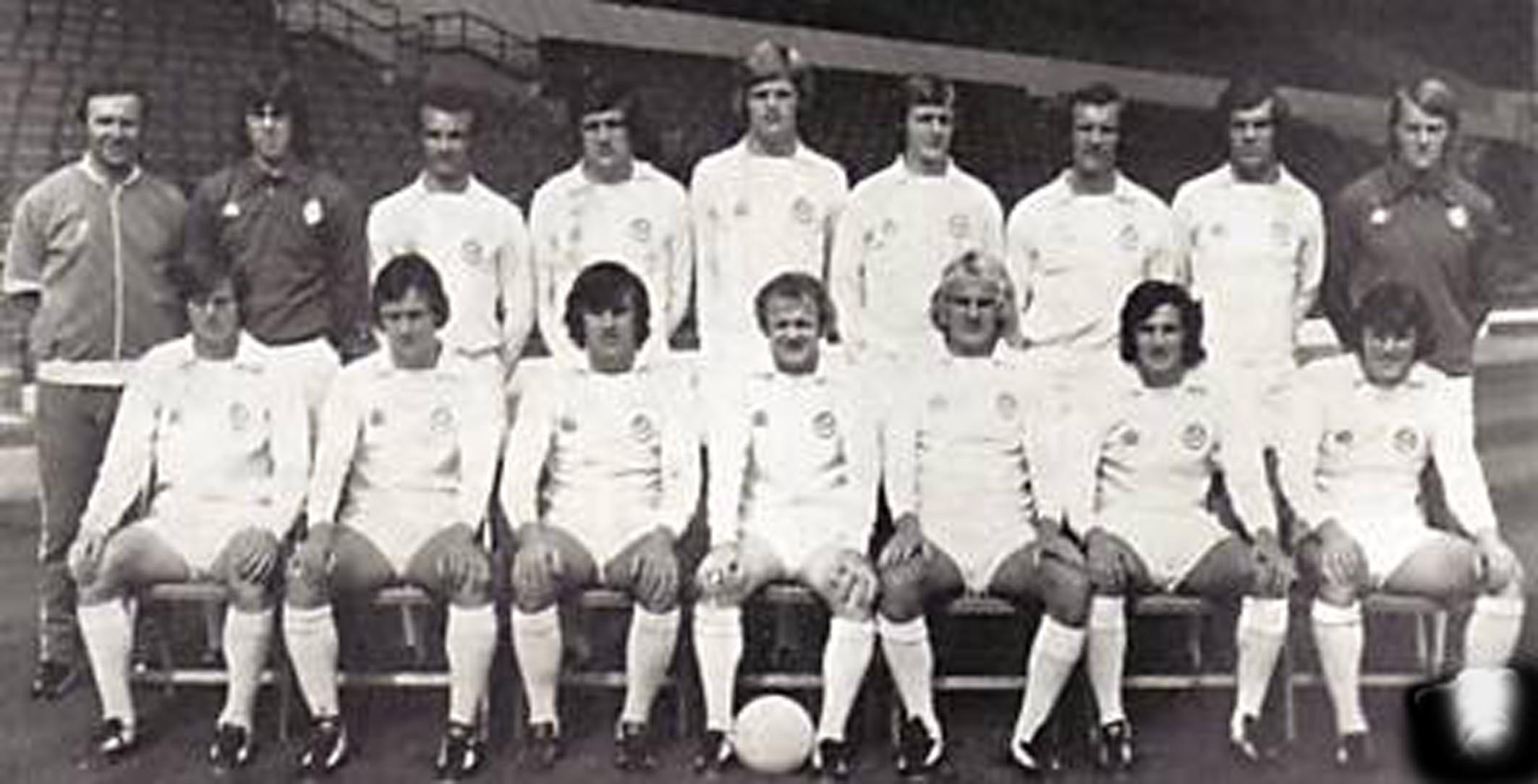
Back Row: Jimmy Armfield (Manager), David Harvey, Paul Reaney, Norman Hunter,Gordon McQueen, Allan Clarke, Paul Madeley, Joe Jordan, David Stewart.
Front Row: Duncan McKenzie, Trevor Cherry, Peter Lorimer, Billy Bremner, Terry Yorath, Frank Gray, Eddie Gray.
1975-76
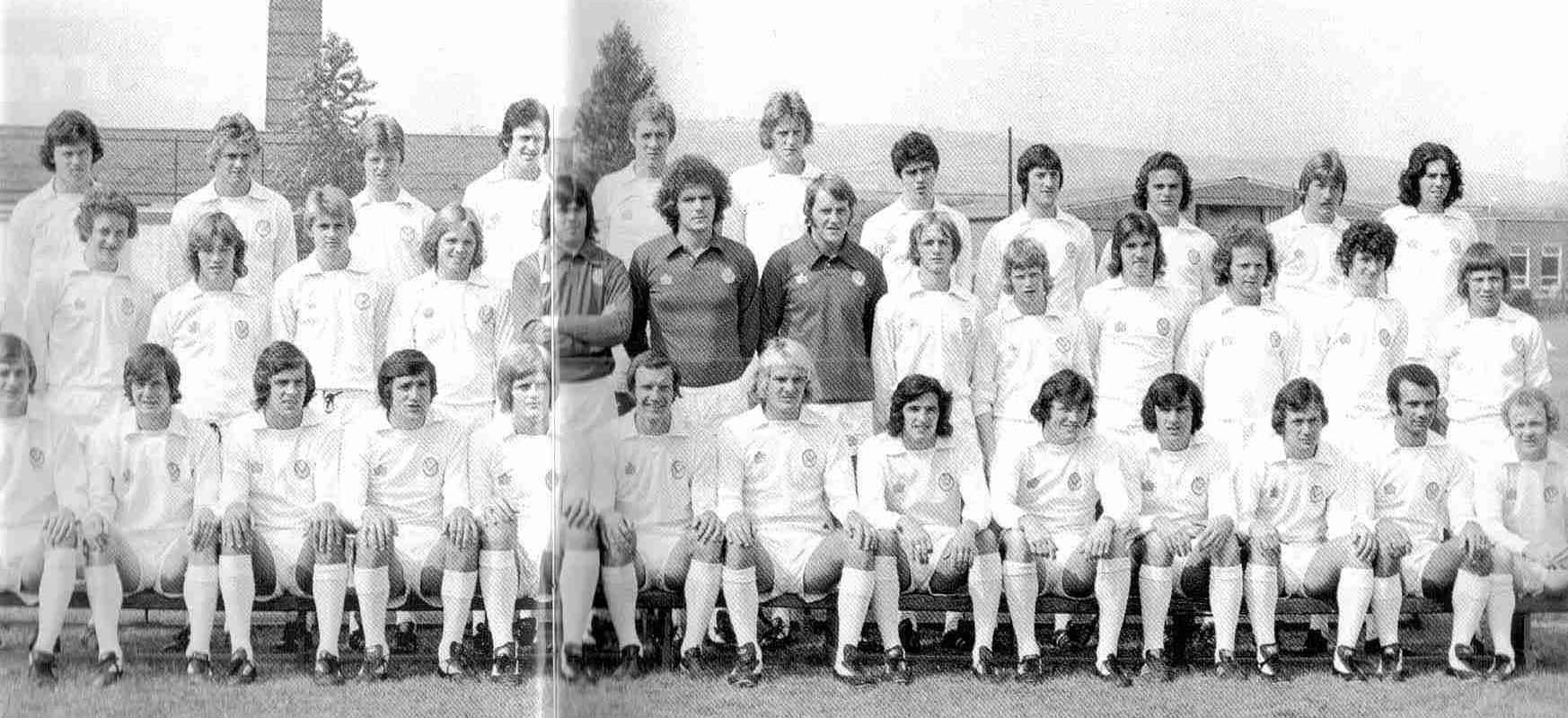
Back Row: Peter Willis, David Whyte, Chris Hope, Byron Stevenson, Keith Parkinson, Neil Firm, Gerard Hogan, Peter Hampton, David McNiven, Derek Loadwick, Gary Liddell.
Middle Row: James Wright, Neil Parker, David Reid, Gwyn Thomas, David Harvey, Glan Letheran, David Stewart, Gary Felix, Steve Holder, Carl Harris, George Boyd, John McPhee, Bobby Shields.
Front Row: Allan Clarke, Duncan McKenzie, Joe Jordan, Norman Hunter, Gordon McQueen, Paul Madeley, Terry Yorath, Frank Gray, Eddie Gray, Peter Lorimer, Trevor Cherry, Paul Reaney, Billy Bremner.
1975-76 : Team Salute
Gordon McQueen, David Stewart, David Harvey, Allan Clarke, Joe Jordan, Paul Madeley, Norman Hunter, Eddie Gray, Terry Yorath, Paul Reaney, Peter Lorimer, Frank Gray, Trevor Cherry, Duncan McKenzie, Mick Bates, Billy Bremner.
1975-76: Juniors: Winners of Iris Club de Croix Tournament in France
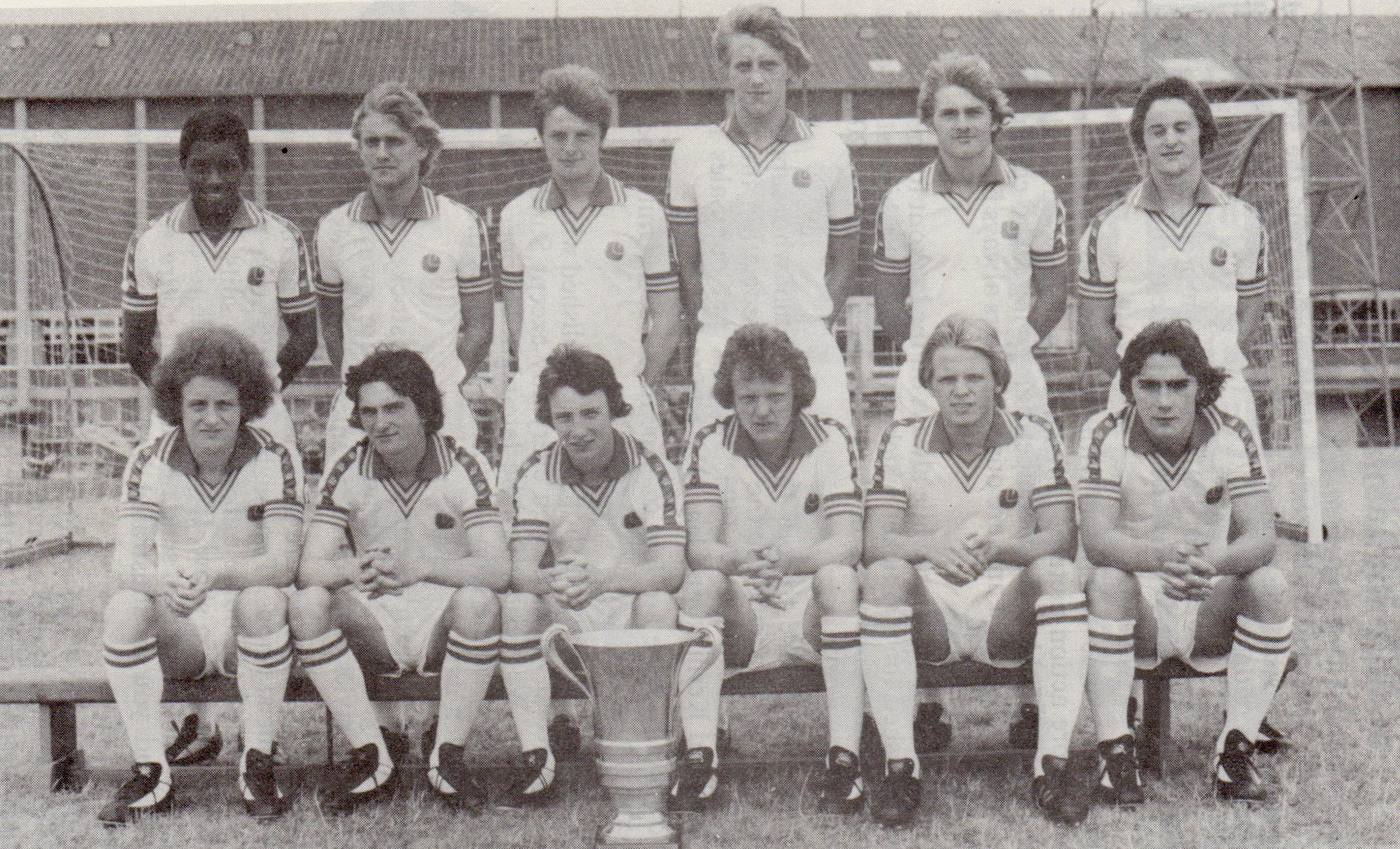
Back Row: Tony Rowe, Peter Savill, David Reid, Neil Firm, David Whyte, Sean Sturman.
Front Row: Billy McGhie, John MacPhee, Peter Daly, Bob Skilling, Chris Hope, Duncan Reynard. Glan Letheran (Goalkeeper) absent when photograph was taken.
1976-77: Bobby and the Juniors
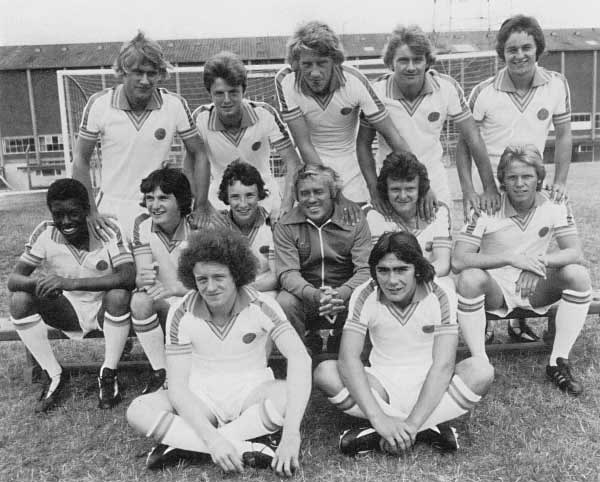
Back Row: Peter Savill, David Reid, Neil Firm, David Whyte, Sean Sturman.
Middle Row: Tony Rowe, John MacPhee, Peter Daly, Bobby Collins (Coach), Bob Skilling, Chris Hope.
Front Row: Billy McGhie, Duncan Reynard.
1976-77
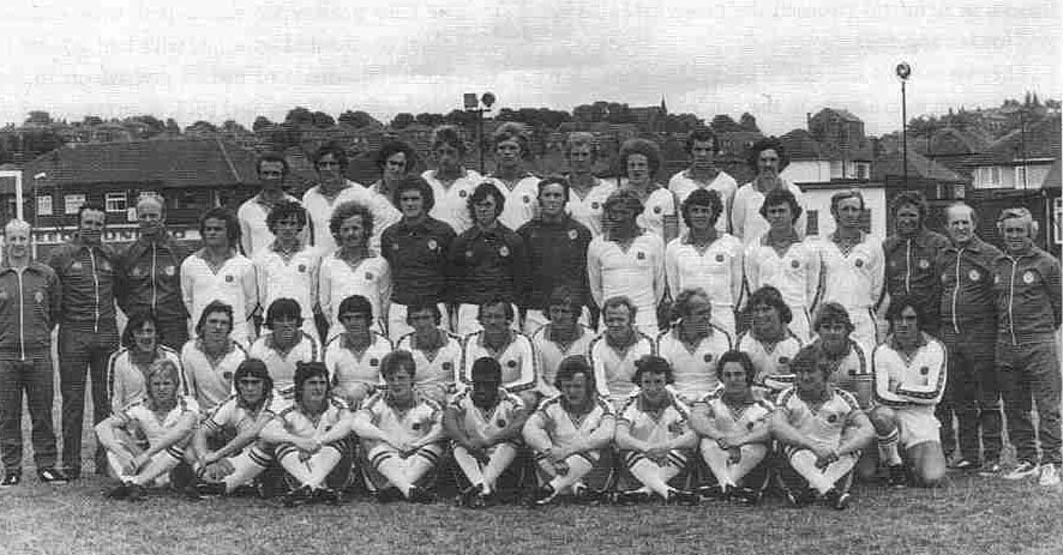
Back Row: Paul Reaney, Norman Hunter, Byron Stevenson, Neil Firm, Gordon McQueen, Keith Parkinson, Billy McGhie, Joe Jordan, Gary Liddell.
Standing: Geoff Ladley (Physio), Jimmy Armfield (Manager), Don Howe (Coach), David McNiven, James Wright, George Boyd, Glan Letheran, David Harvey, David Stewart, Tony Currie, Frank Gray, Peter Willis, Gary Felix, Jim McInearney (Coach), Bob English (Physio), Bobby Collins (Coach).
Kneeling: Peter Hampton, Carl Harris, Eddie Gray, Peter Lorimer, Trevor Cherry, Paul Madeley, Allan Clarke, Billy Bremner, Terry Yorath, Neil Parker, David Whyte, Gwyn Thomas.
Sitting: Chris Hope, Duncan Reynard, John MacPhee, David Reid, Tony Rowe, Bob Skilling, Peter Daly, Sean Sturman, Peter Savill.
1976-77
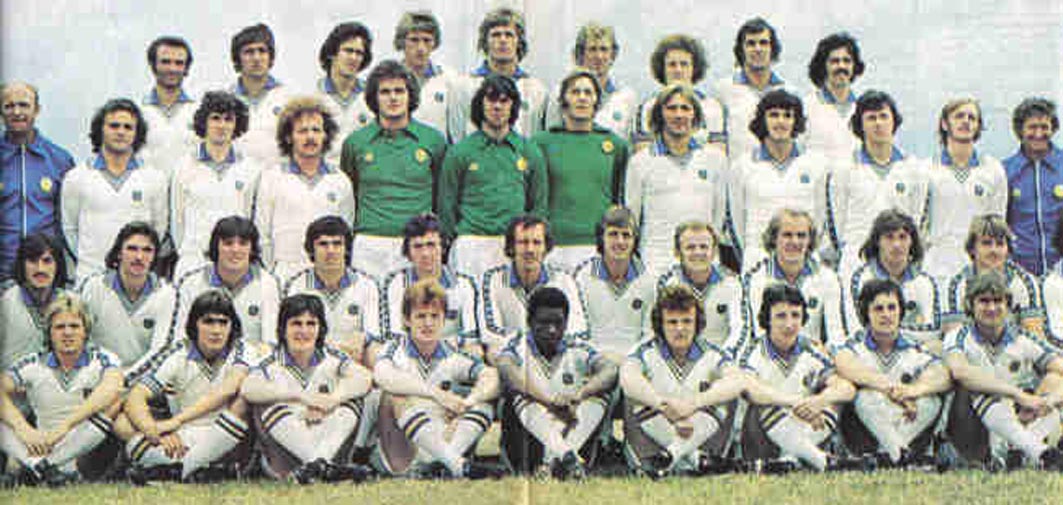
Back Row: Paul Reaney, Norman Hunter, Byron Stevenson, Neil Firm, Gordon McQueen, Keith Parkinson, Billy McGhie, Joe Jordan, Gary Liddell.
Standing: Don Howe (Coach), David McNiven, James Wright, George Boyd, Glan Letheran, David Harvey, David Stewart, Tony Currie, Frank Gray, Peter Willis, Gary Felix, Jim McInearney (Coach).
Kneeling: Peter Hampton, Carl Harris, Eddie Gray, Peter Lorimer, Trevor Cherry, Paul Madeley, Allan Clarke, Billy Bremner, Terry Yorath, Neil Parker, David Whyte.
Sitting: Chris Hope, Duncan Reynard, John MacPhee, David Reid, Tony Rowe, Bob Skilling, Peter Daly, Sean Sturman, Peter Savill.
1976-77
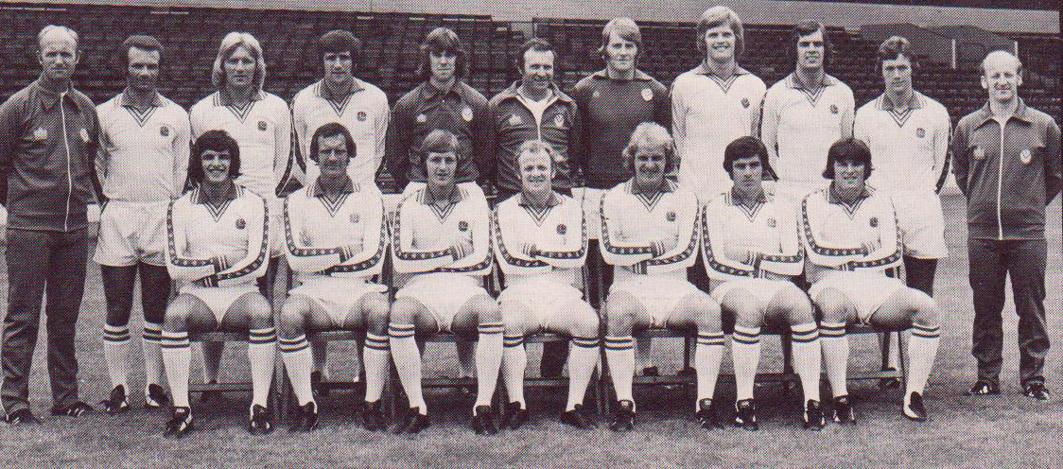
Back Row: Don Howe (Coach), Paul Reaney, Tony Currie, Norman Hunter, David Harvey,Jimmy Armfield (Manager), David Stewart, Gordon McQueen, Joe Jordan, Trevor Cherry, Geoff Ladley (Physio).
Front Row: Frank Gray, Paul Madeley, Allan Clarke, Billy Bremner, Terry Yorath, Peter Lorimer, Eddie Gray.
1976-77
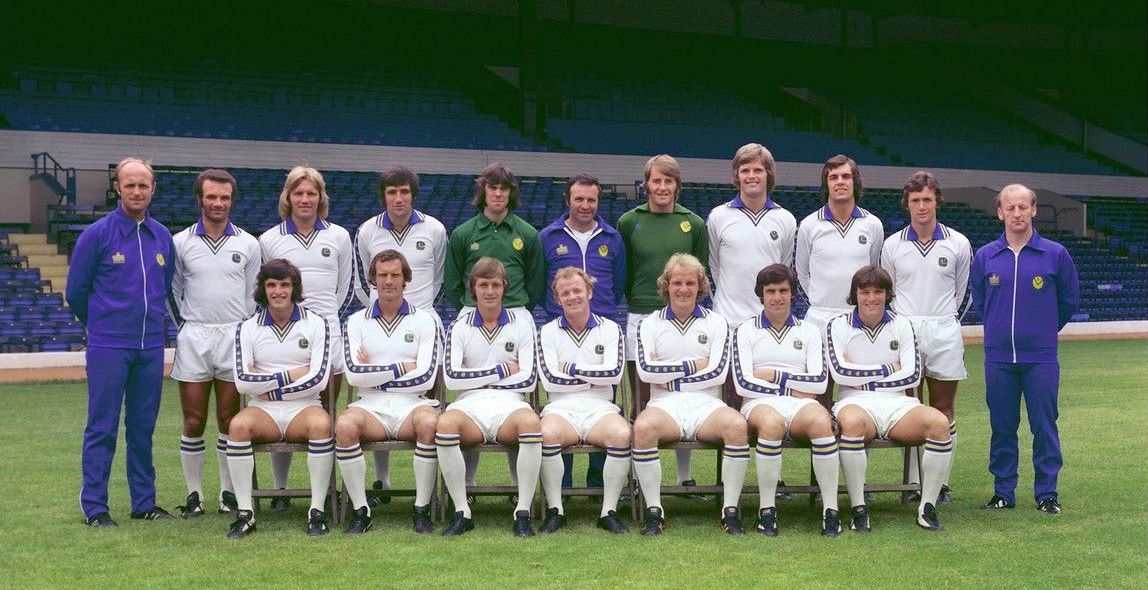
Back Row: Don Howe (Coach), Paul Reaney, Tony Currie, Norman Hunter, David Harvey,Jimmy Armfield (Manager), David Stewart, Gordon McQueen, Joe Jordan, Trevor Cherry, Geoff Ladley (Physio).
Front Row: Frank Gray, Paul Madeley, Allan Clarke, Billy Bremner, Terry Yorath, Peter Lorimer, Eddie Gray.